
The Mesopotamian Marshes
The Garden of Eden
About The Mesopotamian Marshes
One of the world's oldest wetlands, home to the Marsh Arabs and a living Sumerian culture.
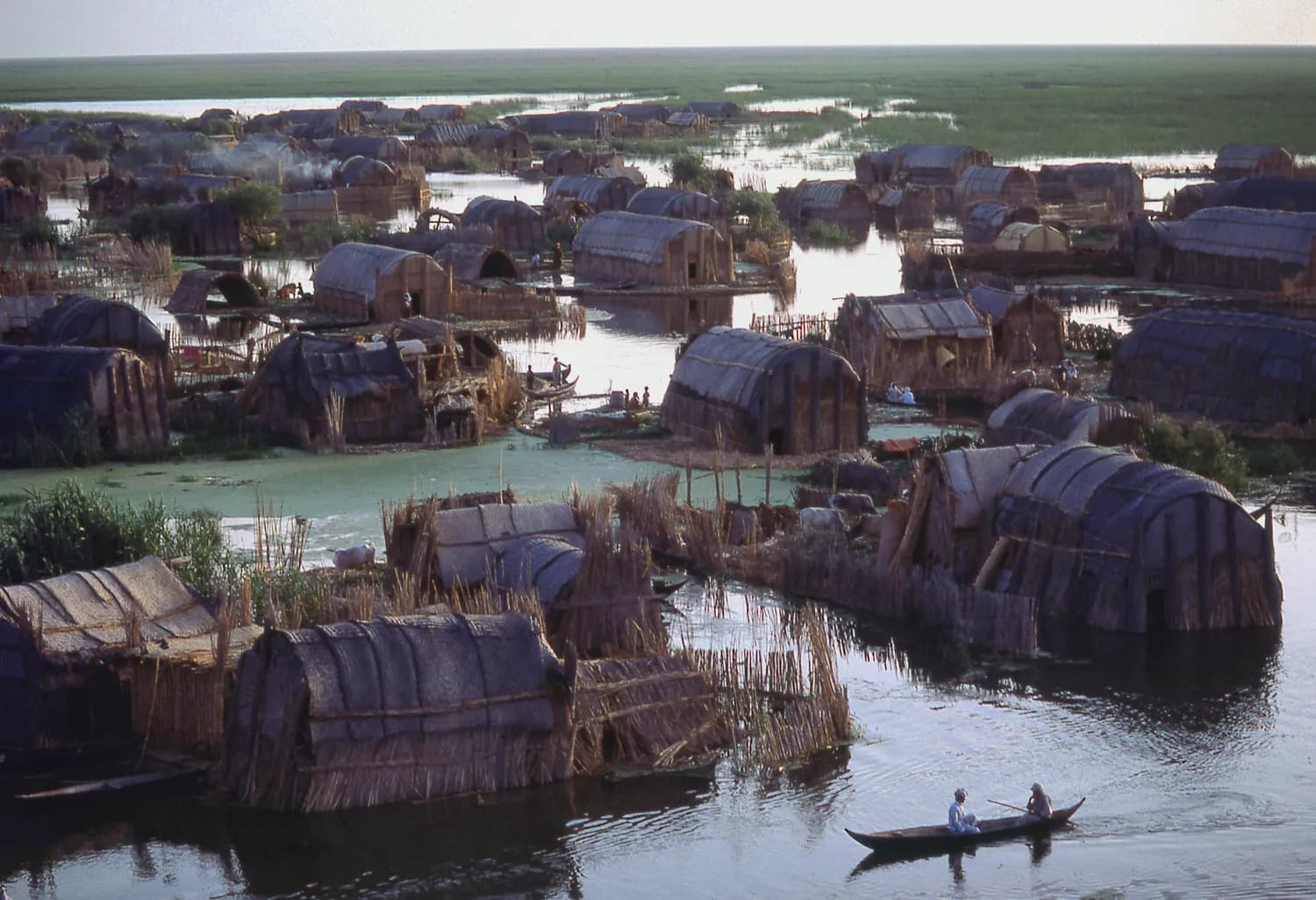
The Mesopotamian Marshes are one of the world's oldest and most extraordinary wetlands, where life has flourished for thousands of years. Located in southern Iraq, this breathtaking landscape is home to the Marsh Arabs (Ma'dan), whose unique way of life has remained remarkably unchanged since the time of the ancient Sumerians.
One of the highlights of every visit is a 30–60 minute traditional boat tour through the tranquil waterways aboard a mashoof, a wooden canoe that has been used for thousands of years. As you glide through the reeds, you'll encounter spectacular scenery, observe wildlife including water buffalo, and have the opportunity to spot a wide variety of migratory and resident birds.
Your journey also includes a visit to a local Marsh Arab family, where you'll experience one of the oldest continuously living cultures on Earth. Families still live in traditional reed houses (mudhifs), built entirely from giant reeds using construction techniques that have been preserved for over 5,000 years.
For those seeking a truly authentic experience, WanderIraq can arrange a traditional meal prepared by a local Marsh Arab family or served at our own WanderIraq Reed House Hotel upon request.
Guests can enjoy foods whose origins date back to ancient Sumerian civilisation, many of which have remained part of daily life in southern Iraq for millennia. These include Ninda, the traditional Mesopotamian bread mentioned in ancient cuneiform tablets, the famous Masgouf (grilled river fish), fresh water buffalo milk, buffalo cream (geimar), buffalo cheese, locally made yoghurt, dates, and other traditional dishes prepared using recipes and ingredients that reflect Iraq's ancient culinary heritage.
Many historians believe the Marsh Arabs preserve not only one of the world's oldest lifestyles but also a culinary tradition with deep roots in Sumerian civilisation, offering visitors a rare opportunity to experience flavours that have been enjoyed in Mesopotamia for thousands of years.
Many scholars also believe these remarkable wetlands may have inspired the biblical Garden of Eden, making the marshes a destination of exceptional natural beauty, living heritage, and historical significance.
Recognised as a UNESCO World Heritage Site in 2016, the Mesopotamian Marshes preserve not only a unique ecosystem but also one of humanity's oldest surviving cultural landscapes.
Why visit the Mesopotamian Marshes?
Did you know?
Archaeological evidence shows that bread known as Ninda was already being baked in Sumer over 5,000 years ago. Combined with freshwater fish, dates, and dairy products from water buffalo, visitors can enjoy a culinary experience that reflects one of the oldest food traditions still alive in the world.
Gallery of The Mesopotamian Marshes
You May Also Like
Travellers who explore The Mesopotamian Marshes also visit these extraordinary sites.
 Legendary Place
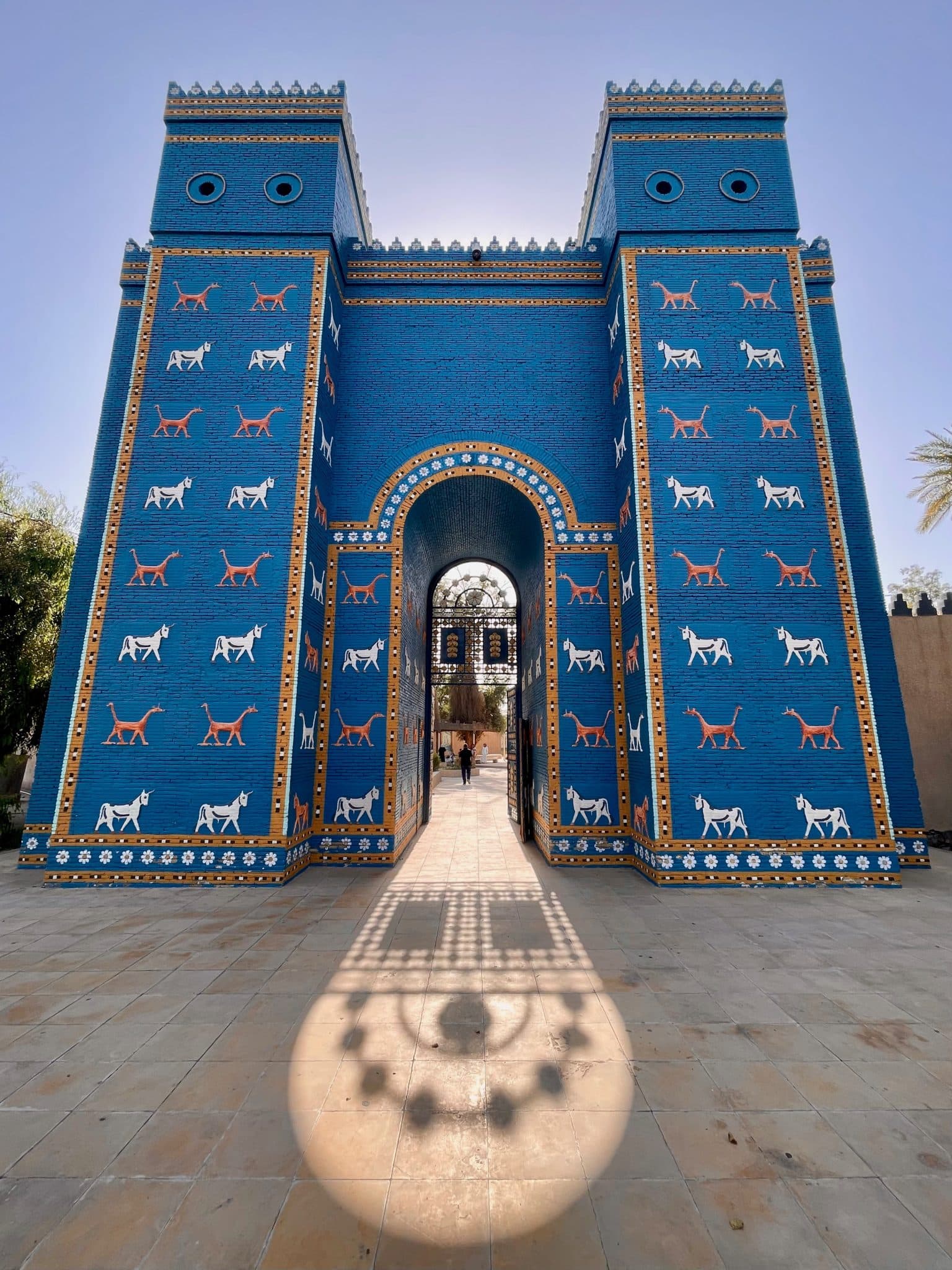
Babylon
More than 4,000 years of history, a UNESCO World Heritage Site and an easy day trip from Baghdad.
Explore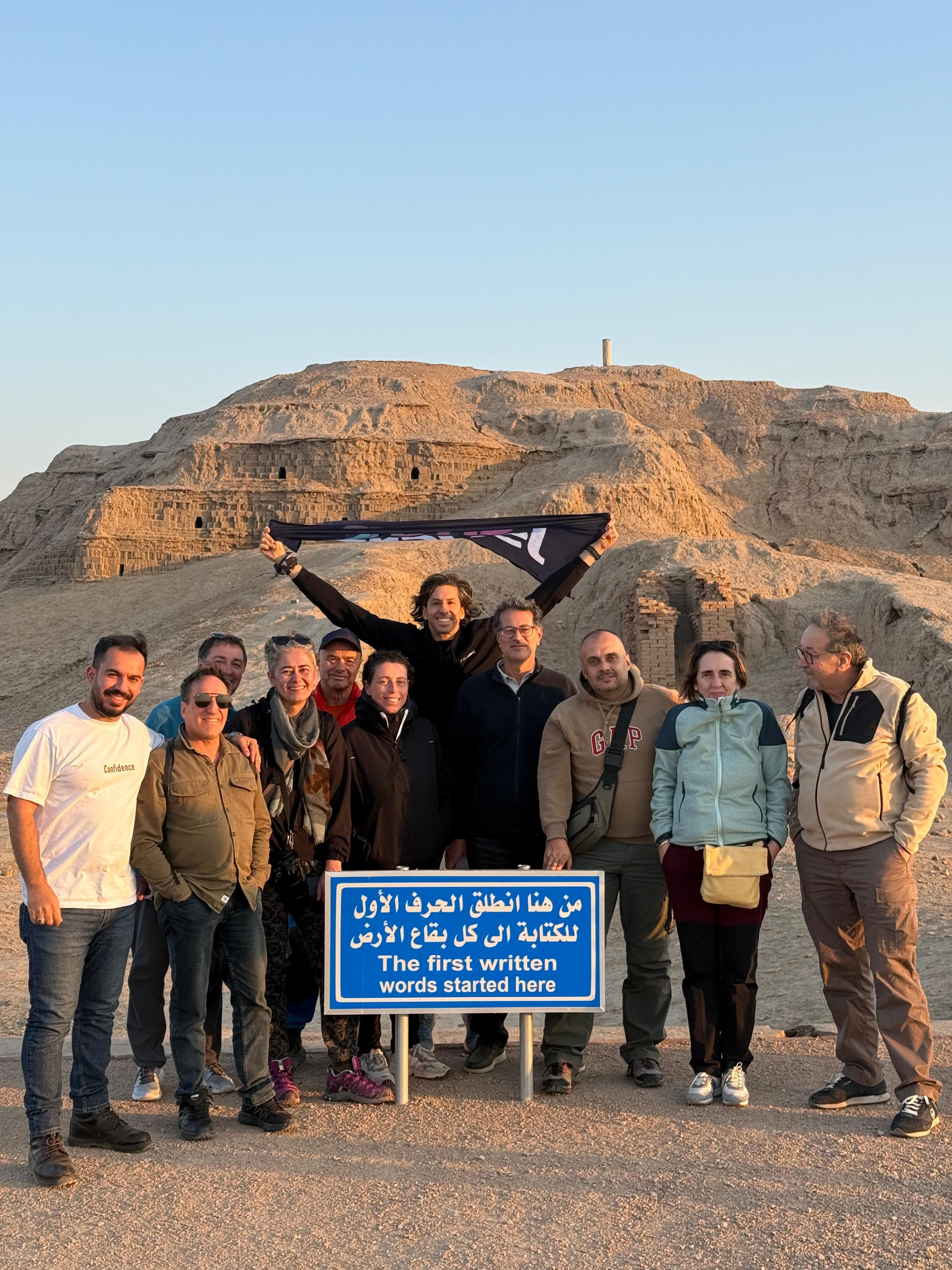 Legendary Place
Uruk
The world's first true city, home of King Gilgamesh and the birthplace of the earliest known writing.
Explore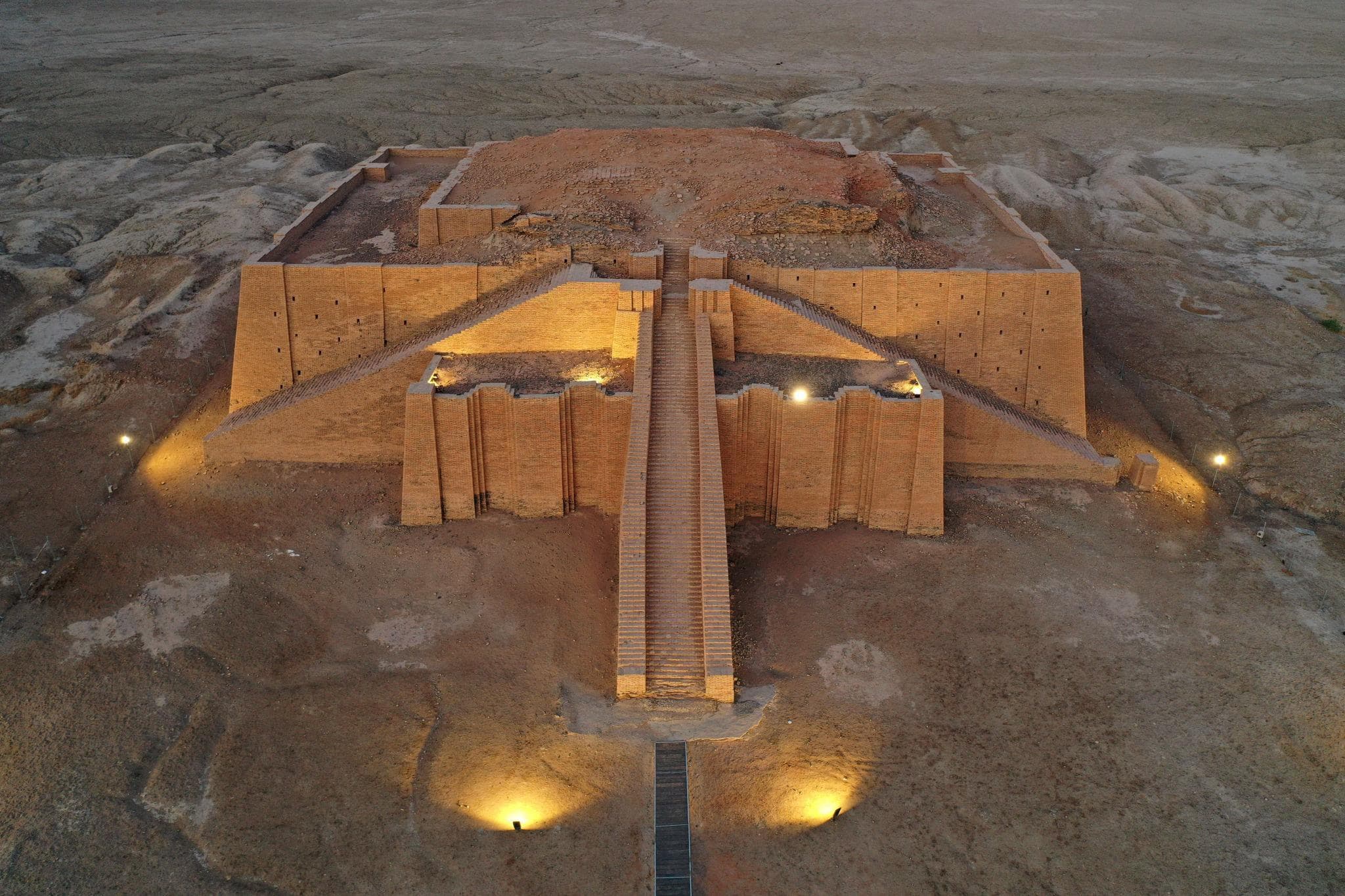 Legendary Place
The Great Ziggurat of Ur
One of the world's oldest and best-preserved monuments, beside the traditional House of Prophet Ibrahim.
Explore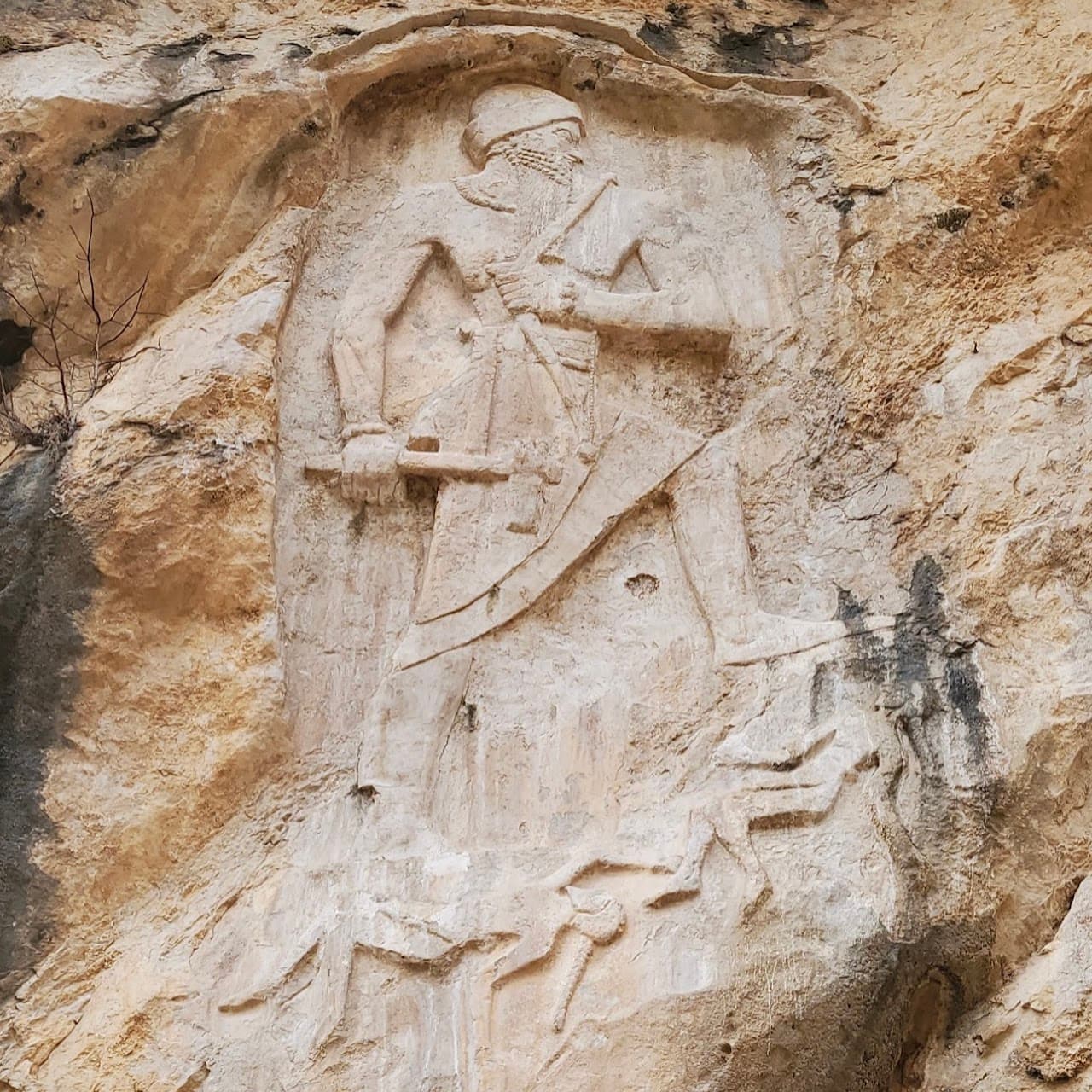 Sulaymaniyah
Naram Sin
Ancient archaeological site with ruins from the Akkadian Empire
Explore